


Spatial computing headsets (also called mixed reality or MR headsets) are immersive wearable devices that blend digital content with the physical world in three dimensions. They enable natural interactions via hand/eye/gesture tracking, spatial mapping, and passthrough cameras, going beyond simple overlays to support productivity, gaming, collaboration, and media in a "spatial" interface.
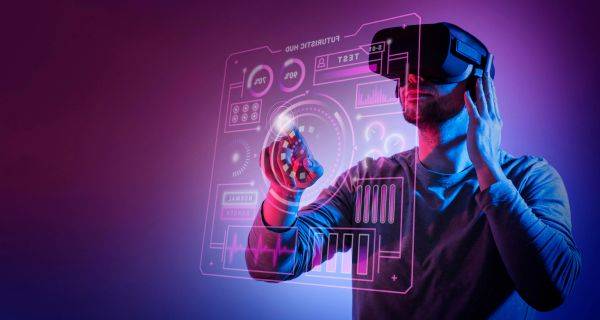
In mid-2026, they sit at the high-immersion end of the XR spectrum, contrasting with lightweight AR/smart glasses (which prioritize all-day wear and subtle overlays). Headsets excel in rich, enclosed experiences but trade off comfort, weight, and battery for capability.
Market Status in Mid-2026
- Growth: The broader spatial computing market is expanding rapidly (projected ~$229 billion in 2026 with strong CAGRs into the 2030s). XR headset shipments are rebounding sharply (up to 87% growth expected in some forecasts after 2025 dips), driven by new cycles and AI integration.
Position vs. AR Glasses: Smart glasses (often no/low-display AI models) outsold VR/MR headsets significantly in 2025 and continue leading in volume due to fashion and accessibility. Headsets dominate premium/immersive use cases.
Leading Spatial Computing Headsets (Mid-2026)
- Meta Quest 3 / Quest 3S: Best overall balance and value. Standalone, color passthrough MR, strong ecosystem for gaming/productivity. Quest 3S is the budget entry (~$300–350); full Quest 3 offers better lenses/displays. Excellent for most users
Apple Vision Pro (M5 version): Premium spatial computer benchmark. Exceptional displays (micro-OLED, ultra-high res), eye/hand tracking, and VisionOS integration. Best for media, design, and productivity in the Apple ecosystem. Expensive (~$3,500); comfort and app ecosystem are noted limitations. No major successor imminent; Apple shifting some focus to glasses.
Samsung Galaxy XR / Google Android XR devices: AI-first, leveraging Android ecosystem and partnerships. Strong for productivity and Google services.
Others:
- Pimax Dream Air / Crystal Super: High-end PC-tethered for visuals and immersion (lightweight options emerging).
- Varjo XR-4: Enterprise/simulation-grade fidelity.
- PlayStation VR2: Console gaming focus.
Emerging lighter designs and hybrids (e.g., Xreal/Project Aura) blur lines with glasses.
Key Trends in 2026
- AI Integration: Real-time assistance, spatial understanding, and multimodal features across platforms.
- Passthrough MR: Improved color/video passthrough making mixed reality more practical.
- Form Factor Improvements: Lighter headsets, better ergonomics, and hybrid compute (phone/puck tethering).
- Use Cases: Gaming/entertainment (dominant for Quest), enterprise training/simulation, design/engineering (Vision Pro), and spatial media/collaboration.
- Ecosystems: Horizon OS (Meta), visionOS (Apple), Android XR gaining traction.
Challenges
- Comfort and Weight: Heavier than glasses; limited session times due to battery/heat (~2–2.5 hours typical).
- Cost: Entry ~$300–500; premium $3,000+.
- Content and Adoption: Strong gaming/enterprise libraries, but consumer killer apps still maturing. Privacy and motion sickness concerns persist.
Competition from Glasses: Many prefer lightweight AI glasses for daily use over full headsets.
Overall Outlook: Spatial computing headsets are maturing into practical tools in 2026, with Meta leading volume/accessibility and Apple setting the premium standard. They complement (rather than replace) AR glasses: use headsets for deep immersion/work sessions and glasses for always-on tasks. Expect continued refinement in comfort, AI, and optics, with 2027+ bringing more affordable high-end options and broader mainstream traction