


Magic Leap and Microsoft HoloLens are two of the most well-known devices in the augmented reality (AR) space, each offering unique features and capabilities. Here are the key differences between them:
1. Design and Form Factor
-
Magic Leap:
- Design: Generally lighter and designed to be worn comfortably for extended periods. It resembles a pair of large sunglasses.
- Field of View (FOV): Typically has a narrower field of view compared to HoloLens, which can affect the immersive experience.

-
HoloLens:
- Design: Bulkier than Magic Leap, resembling a helmet but designed for functionality rather than aesthetics.
- Field of View (FOV): Offers a wider field of view, providing a richer visual experience for users interacting with digital content.

2. Technology and User Interface
-
Magic Leap:
- Interaction: Primarily relies on hand gestures and eye tracking for navigation and interaction. Has a strong focus on 3D spatial computing.
- Display Technology: Utilizes a unique light field technology, which aims to create a more natural depth perception and better blending of digital content into the real world.
-
HoloLens:
- Interaction: Uses a combination of hand gestures, voice commands (via Cortana), and eye tracking, offering a more integrated interface.
- Display Technology: Employs HoloLens Waveguide technology to project digital images onto the lenses, resulting in a clear overlay of digital content on the physical environment.
3. Processing Power and Performance
-
Magic Leap:
- Chips: Uses a custom chip called the Lumin OS, designed specifically for AR applications, which can influence performance in rendering and processing.
-
HoloLens:
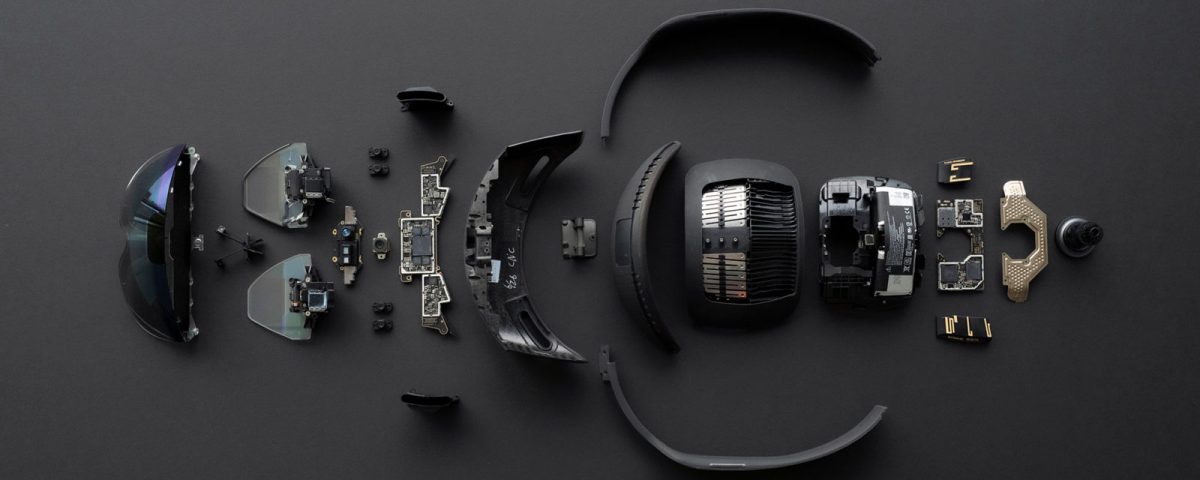
- Chips: Incorporates a combination of an ARM processor and a dedicated Holographic Processing Unit (HPU), optimizing it for mixed reality tasks. HoloLens 2 is particularly praised for its computational power, improving performance for complex applications.
4. Software Ecosystem
-
Magic Leap:
- Development Platform: Utilizes its own SDK (Magic Leap SDK) with a focus on creating immersive applications across various industries, including entertainment, healthcare, and education.
- Content: Has been working with partnerships to develop custom applications, although its library is less extensive than that of HoloLens.
-
HoloLens:
- Development Platform: Built on Windows Mixed Reality, allowing developers to use familiar Microsoft tools (like Visual Studio and Unity) to create applications.
- Content: Supports a wider ecosystem of applications and integrations, particularly in enterprise and industrial settings, with a proven record in businesses like healthcare and manufacturing.
5. Target Market
-
Magic Leap:
- Focus: Primarily targets entertainment, gaming, and consumer applications, although it has made strides in enterprise as well.
-
HoloLens:
- Focus: Generally oriented towards enterprise and industrial applications, including training, remote assistance, and complex visualizations in fields such as architecture and manufacturing.
6. Price Point
-
Magic Leap:
- Cost: Generally positioned as a premium product with a pricing model similar to HoloLens, though sometimes lower, reflecting its focus on consumer and niche markets.
-
HoloLens:
- Cost: HoloLens 2 is priced as a high-end enterprise solution, often making it a considerable investment for businesses, but justified through its robust capabilities.
Conclusion
In summary, Magic Leap and HoloLens serve different use cases and markets within the AR landscape. While Magic Leap focuses on consumer engagement and immersive experiences, HoloLens is geared towards enterprise applications with a strong emphasis on productivity and industrial use. Understanding these differences can help organizations and individuals choose the right AR solution for their specific needs.