


AR glasses for blind or visually impaired individuals aim to provide assistance and enhance their mobility and navigation. Here are some key features and developments in this area:

1. Audio Feedback
- These glasses can provide auditory cues to help users identify obstacles, navigate spaces, and recognize objects.
2. Real-Time Object Recognition
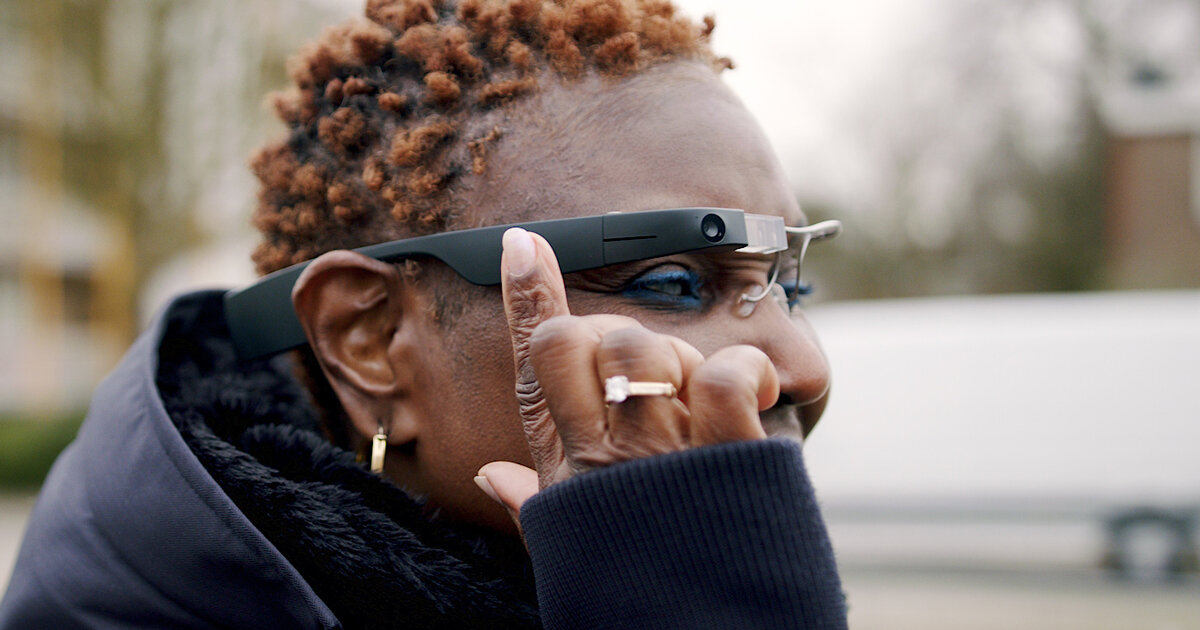
- Using computer vision, AR glasses can identify and describe surrounding objects, people, and text, enabling users to understand their environment better.
3. Navigation Assistance
- GPS integration can help users receive spoken directions, guiding them through unfamiliar areas.
4. Facial Recognition
- Some models may include features to recognize familiar faces and alert users when they are nearby, enhancing social interactions.
5. Text-to-Speech Functionality
- The glasses can read out text from signs, books, or screens, converting written information into spoken words.
Examples of Projects and Technologies
- Aira: A service that connects visually impaired users with agents who can assist them via smartphone or AR glasses.
- Seeing AI: An app developed by Microsoft that can be used with smart glasses to provide descriptions of surroundings.
Research and Development
- Companies and research institutions are actively developing AR glasses specifically designed for the visually impaired, focusing on improving accessibility and usability.
These technologies aim to empower visually impaired individuals by enhancing their interaction with the world around them.