


The differences in hand tracking capabilities between HoloLens 2 and Magic Leap 1 include:
HoloLens 2
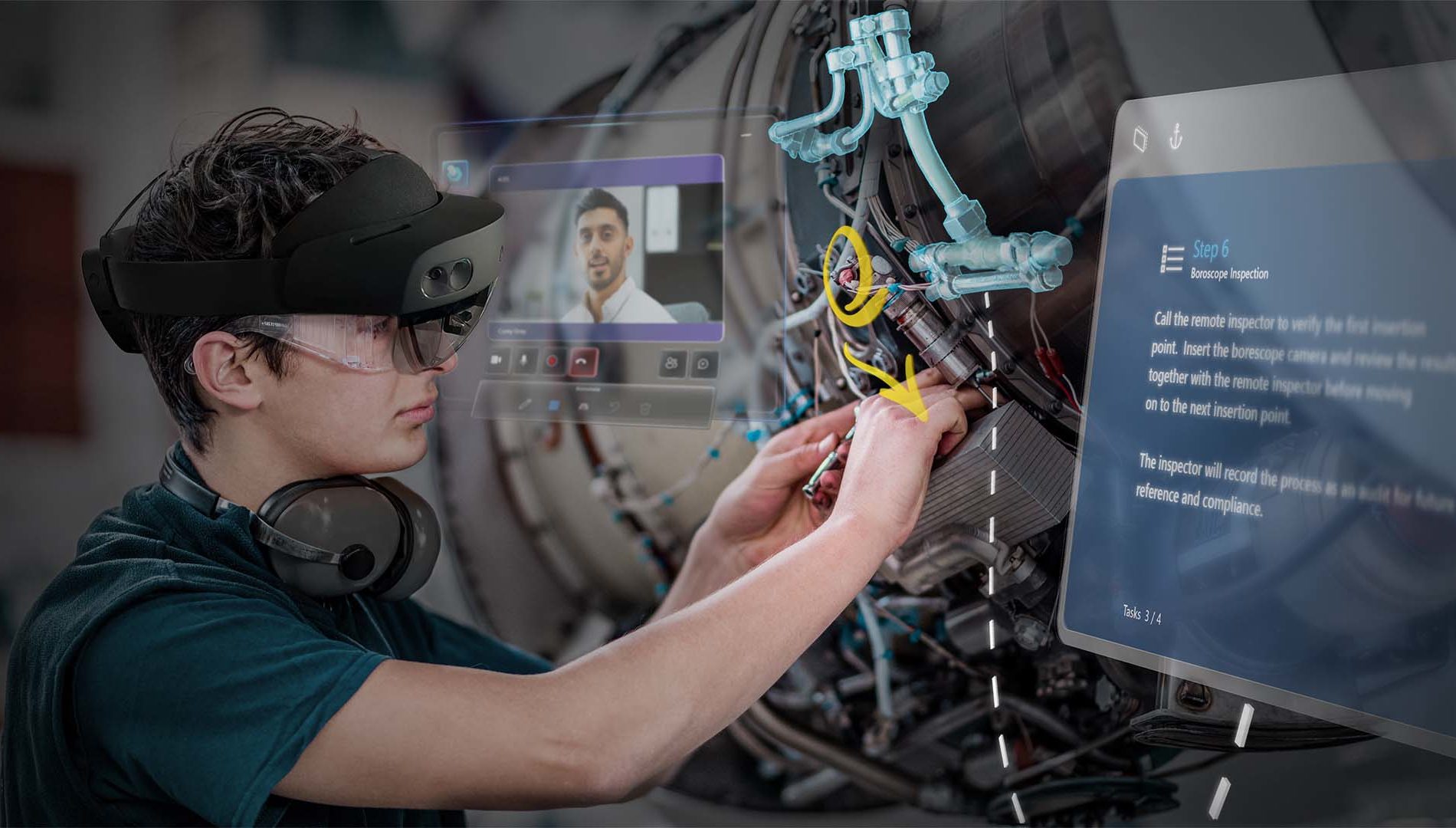
- Advanced Hand Tracking: Utilizes an upgraded system that allows for precise and responsive tracking of hand movements in real-time. This includes the ability to recognize complex gestures and fine motor actions.
- Natural Interaction: The hand tracking is designed to support a more intuitive experience, enabling users to interact with digital objects seamlessly, such as grabbing, pointing, and manipulating virtual items without the need for additional controllers.
- Pinch and Gesture Recognition: Supports multi-touch gestures and pinch-to-zoom actions for natural interaction, enhancing the overall user experience.
Magic Leap 1
- Basic Hand Tracking: Offers hand tracking capabilities, but it may not be as advanced as those of HoloLens 2. The tracking can handle basic gestures, such as pointing and simple hand movements.
- Controller Dependency: While it does support some hand gestures, users may often rely on a handheld controller for certain interactions, which can limit the natural feel of the experience compared to fully integrated hand tracking.
- Gesture Limitations: The range of recognized gestures may be more limited, potentially requiring users to learn specific controls rather than allowing for a completely organic interaction.

These differences affect user interaction and overall immersion, making HoloLens 2 typically more suited for applications requiring detailed hand interactions, while Magic Leap 1 may appeal to users looking for a balance between hand tracking and controller use.